
Resources
How to Choose a Web Development Agency in the UK
A practical, web-specific guide to choosing a development agency, what to look for in a portfolio, process, pricing models, red flags, and the questions worth asking directly.

Ahmad Saeed
Full-Stack Engineer, Devity Technologies
Choosing a web development agency has one real advantage over choosing almost any other kind of software partner, you can verify a huge amount of their actual work yourself, for free, before ever speaking to them. This guide covers what to look for specifically for a web project, portfolio and proof, process, pricing models, red flags, and the questions worth asking directly, building on the more general vetting criteria covered in our questions to ask before hiring a software development company.
Criteria Specific to Web Projects
Beyond the general hiring criteria that apply to any software partner, a handful of web-specific factors deserve direct attention.
SEO and performance competence, not just design sensibility. A web agency that produces beautiful designs with no real understanding of Core Web Vitals, structured data, or crawlability is delivering half a product, since a site that looks good but performs poorly in search is quietly failing at its actual job.
A real, modern technical stack, server-side rendering where it matters, a sensible approach to content management, genuine mobile performance, not just a responsive layout that technically resizes without actually being fast on a real device.
Experience with your specific kind of site. A marketing site, an ecommerce store, and a complex web application draw on meaningfully different skills, ask specifically about experience with your category, not general web development in the abstract.
A clear position on headless versus traditional architecture, and the honesty to recommend whichever genuinely fits your situation rather than defaulting to whichever they happen to specialise in. An agency that pushes headless architecture on a simple marketing site with no real need for it, or dismisses it entirely for a business that genuinely needs the flexibility, is optimising for their own comfort zone rather than your actual requirements.
Portfolio and Proof, Verified Yourself
This is where web projects offer a genuine advantage over evaluating most other kinds of software work, you do not have to take an agency's word for it.
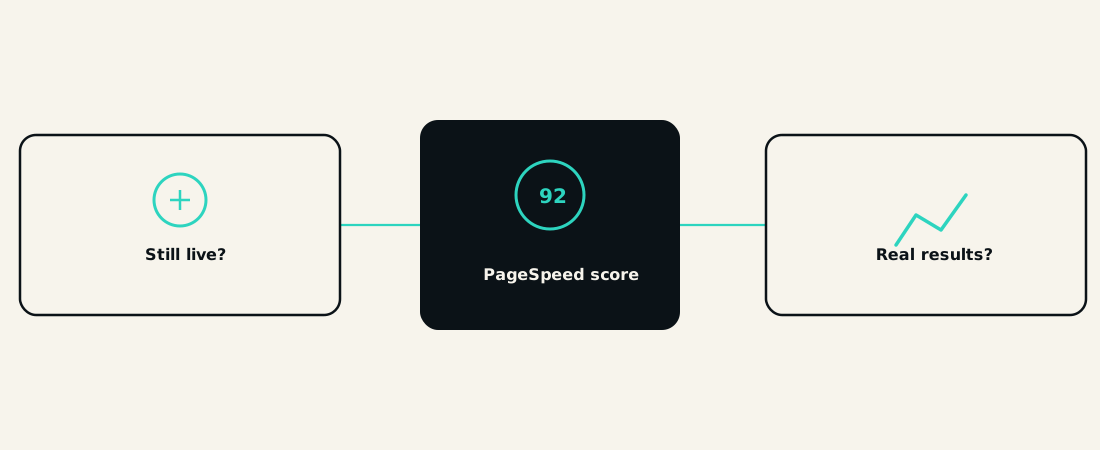
Check whether the sites shown are still live and performing well, not just how they looked in a launch announcement. A portfolio full of screenshots from years ago, with no working links to check, is weaker evidence than it appears.
Run a named client site through PageSpeed Insights and the Rich Results Test yourself, before any sales conversation happens. This takes minutes and gives you an objective, independently verifiable data point about real technical quality, rather than relying entirely on the agency's own description of their work.
Ask about real organic performance, whether rankings, traffic, or conversion improved after launch, not just that the site shipped on time. A genuinely strong web agency should have real, specific numbers to share, not a vague claim that the client was happy.
Process
A properly run web project moves through discovery, design, and build in visible, demonstrable stages, not a single opaque period between a signed contract and a finished site appearing.
A real discovery phase producing a written brief and pricing range before the build begins, covered in more depth in our guide to what a good discovery phase looks like. For web projects specifically, this should include a clear position on SEO strategy and technical architecture, not just visual design direction.
Design reviewed and approved before development starts, so you are not discovering fundamental disagreements about direction halfway through a build that is already underway.
Regular, visible progress, staging environments or working demos you can actually see and interact with throughout the build, not a single reveal at the very end.
A defined plan for launch itself, DNS cutover, redirects from any old URLs, and a monitoring window immediately after go-live to catch anything that only surfaces under real traffic. A web launch handled carelessly can lose search rankings that took months to build, and a team with a genuine, deliberate launch process should be able to describe exactly how they protect against this.
Pricing Models
Web projects commonly use a hybrid structure, a fixed price for design and a clearly scoped build, with time and materials or milestone-based billing for larger, more exploratory platforms where requirements will likely evolve. We cover the fuller trade-offs between these models, and when each genuinely fits, in our guide to fixed price versus time and materials contracts.
For web specifically, be wary of a quote with no clear line for ongoing performance and SEO work after launch, a site is not a one-time deliverable, and a quote that treats it as one is likely to leave you needing a second, unbudgeted engagement soon after the first one ends.
Red Flags
The general red flags covered in our guide on warning signs when hiring a development agency apply directly here, vague scope, no verifiable proof, poor communication, lock-in. A few additional signals specific to web work:
No mention of Core Web Vitals or SEO at all during the sales conversation, for a project where organic visibility genuinely matters, is a sign performance and search are being treated as an afterthought rather than a core requirement.
Reluctance to share a real PageSpeed Insights score for their own site or a comparable client project is a meaningful signal, a team confident in their technical quality has no reason to avoid this simple, quick check.
Questions to Ask Directly
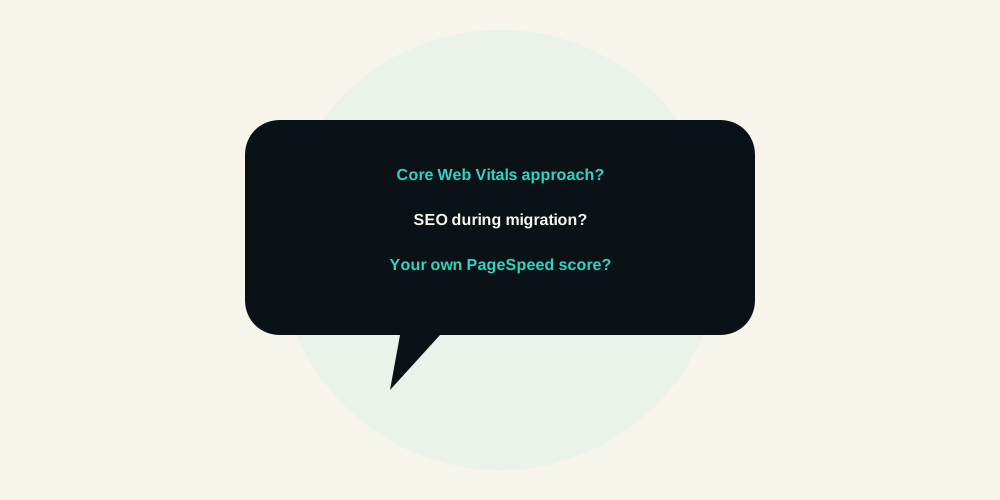
Beyond the general questions worth asking any development partner, a few worth adding specifically for a web project: what is your approach to Core Web Vitals and ongoing performance monitoring, how do you handle SEO during a migration or redesign so rankings are not lost, and what does your own site's PageSpeed score look like right now.
In Practice
Our own site reflects the standard we hold client work to, real Core Web Vitals scores, structured data, and genuine server-side rendering, not just claims made in a sales conversation. If you want an honest second opinion on your current site's actual technical health, or a proposal you have already received, our free technical audit is a genuinely useful, no-obligation way to get one, and our web platform development service is where that conversation continues if it is a good fit.
The businesses that choose well are rarely the ones persuaded by the most polished pitch deck, they are the ones who ran the checks they could run themselves, asked the questions that mattered specifically for a web project, and treated a confident answer as the start of verification, not the end of it.
FAQ
Questions, Answered.
Read next
More on Web Platforms
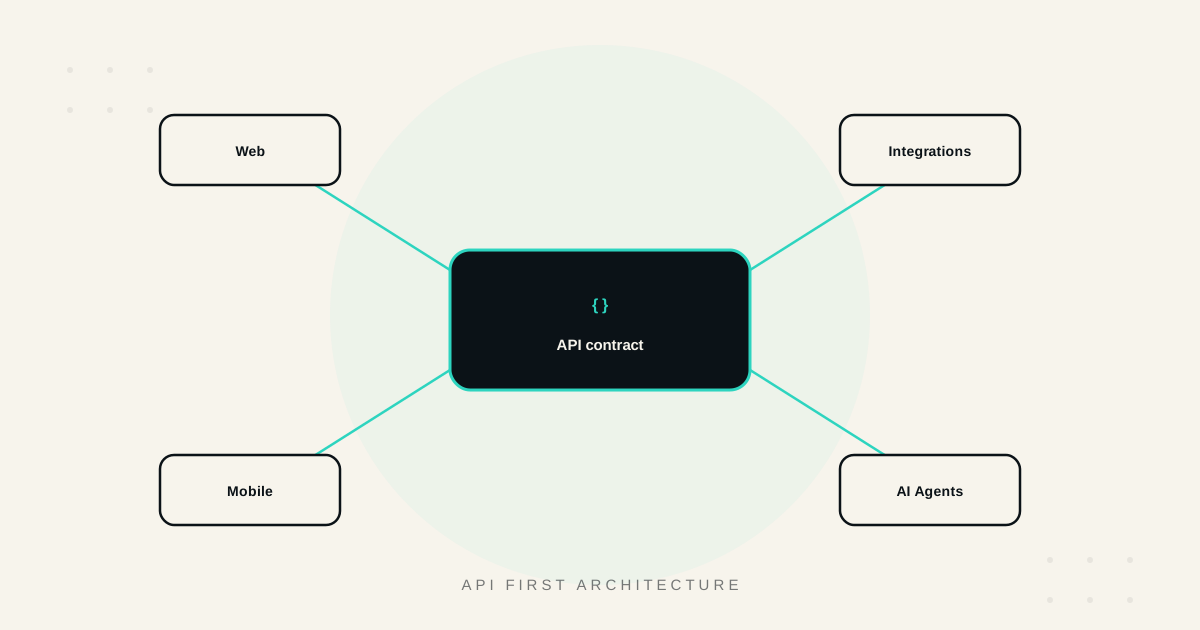
API First Architecture: Building Software That Scales and Integrates
What API-first architecture actually means, the real benefits, how it enables genuine integration and reuse, and when it matters versus when it's unnecessary overhead.
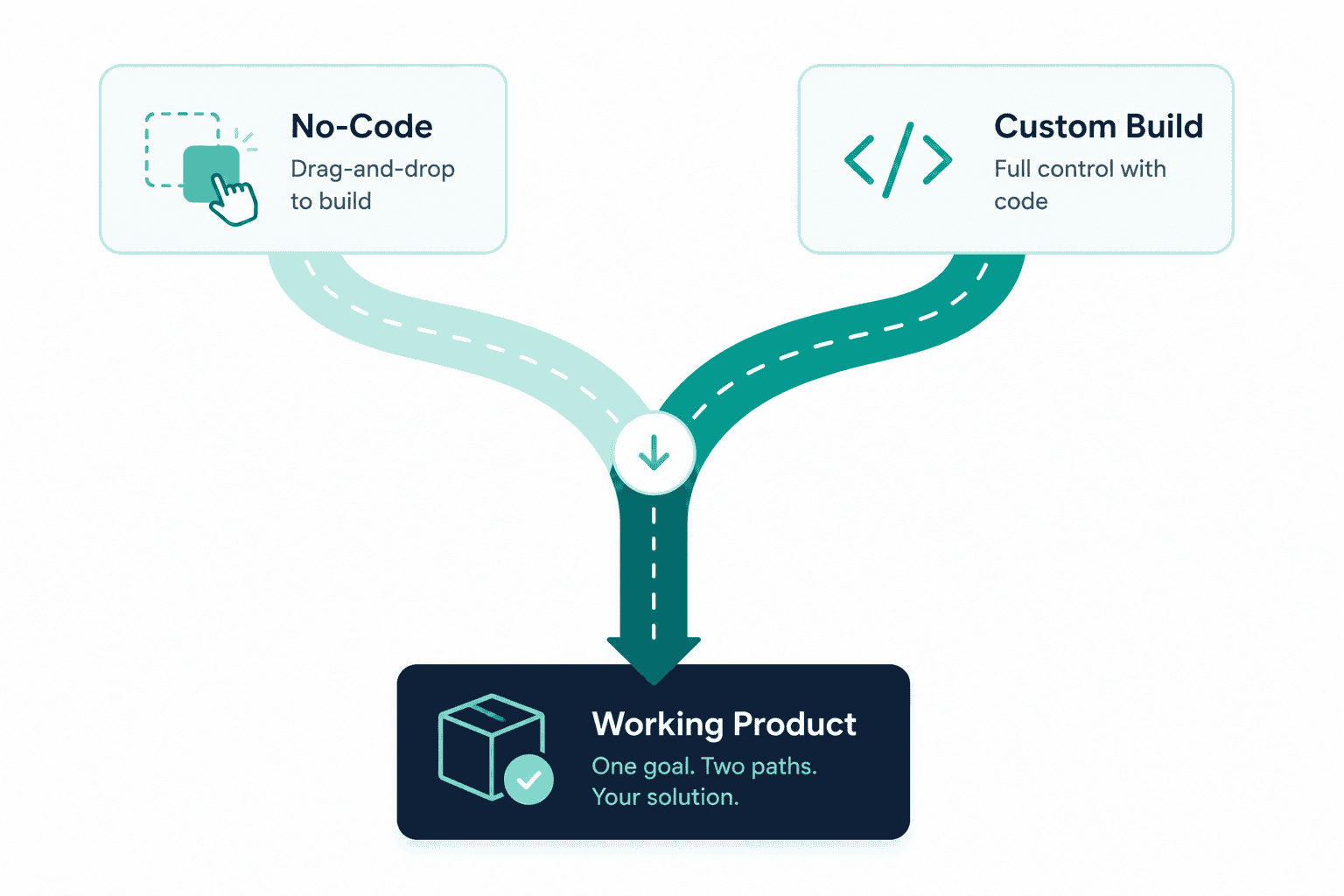
Build vs No Code for Web Apps: Where the Line Really Is
Where no-code web app builders genuinely excel, where they break down, and how to think about performance, ownership, and the migration path before you commit.
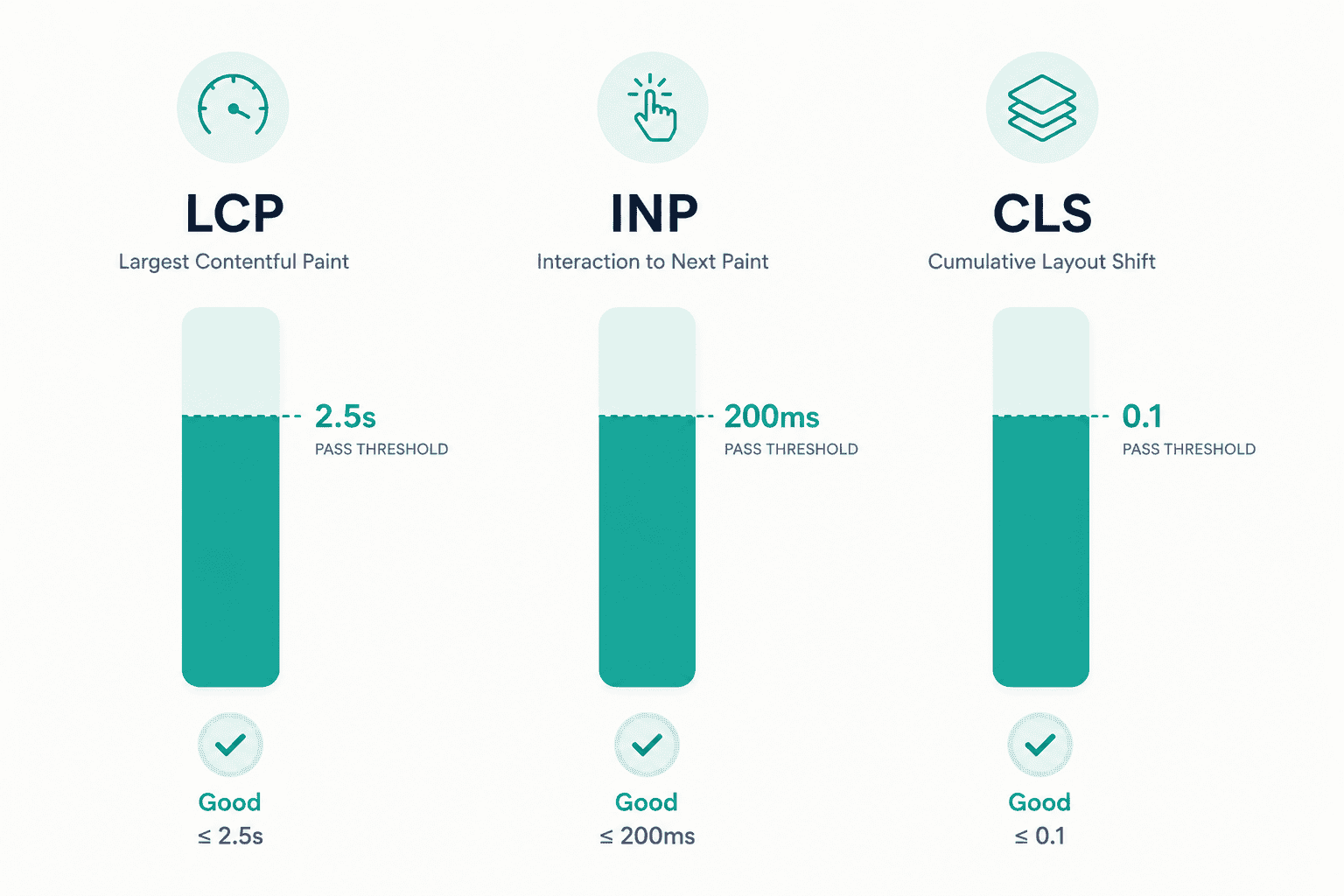
Core Web Vitals: A Practical Guide to a Faster, Higher Ranking Site
What LCP, INP, and CLS actually measure, the fixes that move each metric, how to measure them correctly, and the real business impact of getting them right.