
Resources
Ecommerce Development in the UK: Platforms, Performance and Profit
Platform choice, headless architecture, performance and conversion, integrations, and real cost, a practical guide to ecommerce development for UK founders and managers.

Ahmad Saeed
Full-Stack Engineer, Devity Technologies
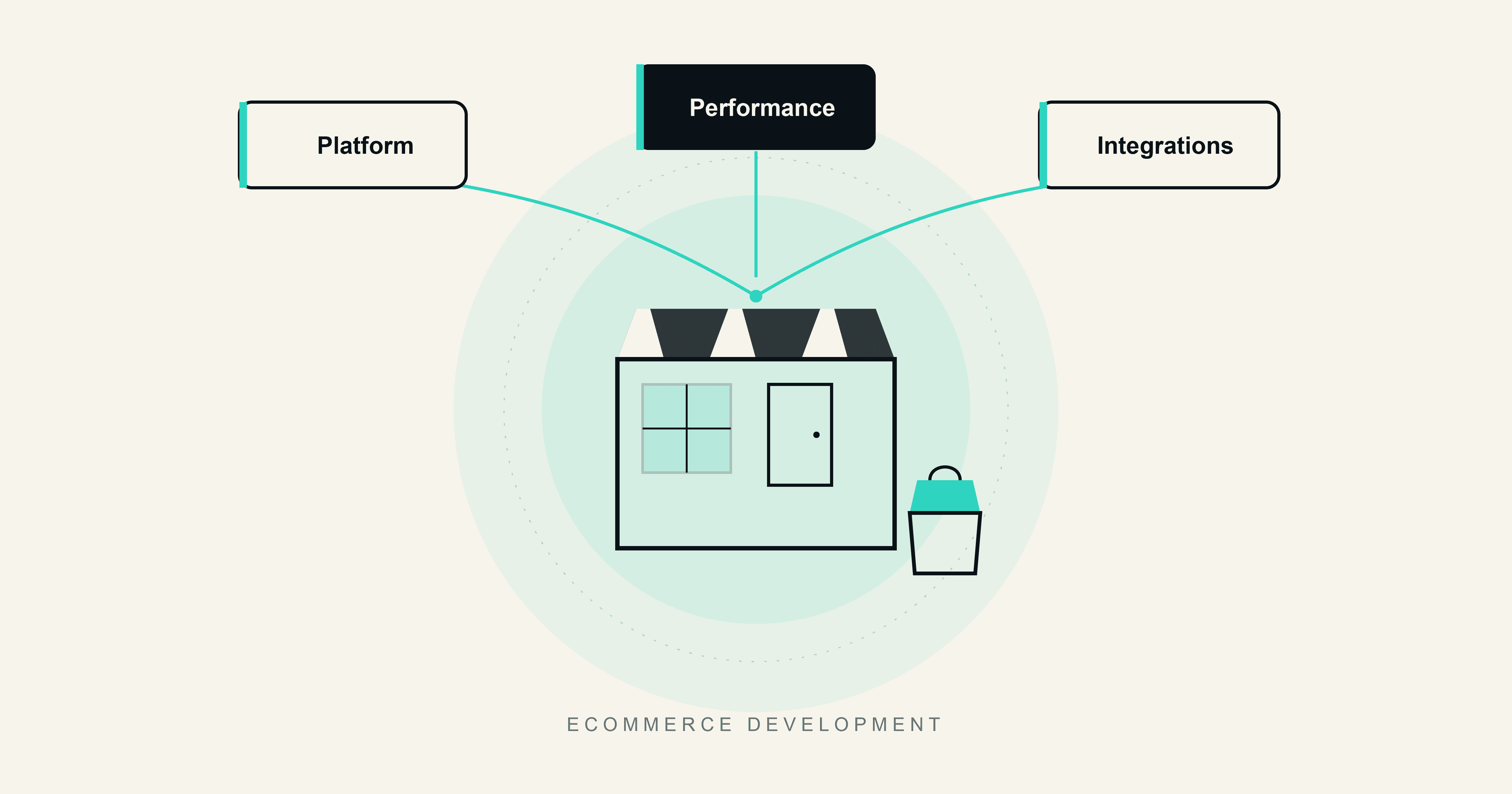
Ecommerce development advice tends to split into two unhelpful camps, generic platform comparison articles that never mention performance or real cost, and headless commerce evangelism that assumes every store needs the same architecture regardless of size. This guide is a practical, honest walkthrough for UK ecommerce founders and managers, platform choice, when headless genuinely fits, the real link between performance and conversion, integrations that matter, and what it all actually costs.
Platform Choice: The First Real Decision
Most UK ecommerce stores start on an established platform, Shopify, BigCommerce, or a similar hosted solution, and for good reason, these platforms handle payments, inventory, and core commerce logic natively, letting you launch quickly without building foundational infrastructure from scratch.
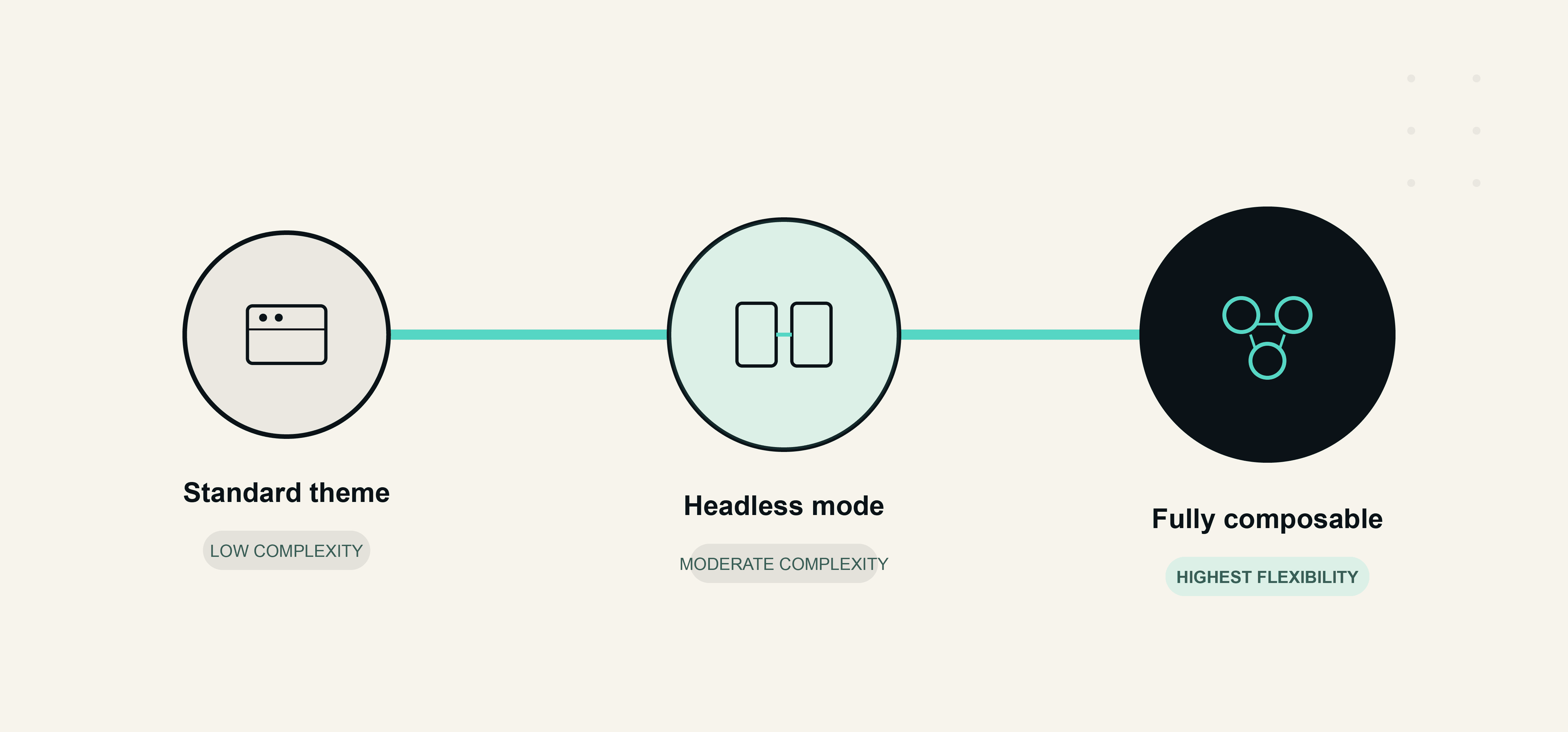
The decision that matters most is not which specific platform to choose among the major options, they are broadly comparable for standard use cases, it is whether to run that platform in its standard, themed configuration or in a headless mode where the frontend is built custom while the platform continues handling backend commerce logic. Several major platforms now offer both paths natively, which means the platform choice and the headless decision are increasingly separable, you are not locked into one architecture just because you picked a particular backend.
| Approach | Best for | Trade-off |
|---|---|---|
| Standard themed platform | Straightforward catalogues, faster launch, lower ongoing engineering need | Limited by the theme system's constraints |
| Platform in headless mode | Established platforms with API-first modes, moderate customisation needs | More engineering investment than a theme, less than a fully custom build |
| Fully composable stack | Complex, multi-channel businesses with specific requirements no single platform covers | Highest engineering investment and ongoing ownership |
Headless: When It Genuinely Fits an Ecommerce Store
We cover the full headless decision in depth in our dedicated guide to headless commerce, and the same core logic applies here, headless is a genuine architectural upgrade for stores with a specific need it solves, not a default every store should adopt.
For ecommerce specifically, the clearest signals a store has outgrown a standard themed platform are a shopping experience your theme cannot deliver, an unusual product configurator, a highly custom browsing or checkout flow, and genuine omnichannel selling, a unified backend powering your website, a mobile app, and increasingly, social commerce channels where customers discover and purchase without ever leaving the platform they were browsing. A significant share of UK retailers are moving in this direction, and the driver is rarely "headless sounds modern," it is a specific, concrete requirement standard platforms were never built to handle well.
The honest counterpoint remains true here too, a smaller store with a straightforward catalogue and no specific blocked experience is very likely better served on a standard, themed platform, where the ecosystem of existing apps and extensions already solves the large majority of real requirements without the ongoing engineering overhead a custom frontend requires.
Performance and Conversion: A Direct, Measurable Link
Ecommerce is one of the clearest cases anywhere in web development where performance is not a technical nicety, it is directly tied to revenue. A slow-loading product page or a checkout flow that shifts as a customer tries to tap "complete purchase" costs real sales at the exact moment a customer is deciding whether to buy.
This is where our guide to Core Web Vitals becomes directly relevant, not as an abstract SEO metric, but as a genuine conversion lever for a store. Documented cases have tied real Largest Contentful Paint improvements directly to measurable sales increases on otherwise identical product pages, the same mechanism that improves search rankings also improves the immediate purchase decision a visitor is making in front of a slow-loading page.
Mobile performance specifically deserves particular attention, mobile commerce now accounts for the large majority of ecommerce sales, meaning a store that is merely responsive, rather than genuinely mobile-first, fast load times, thumb-friendly navigation, a streamlined one-tap checkout, is underperforming for the channel where most of its actual customers are shopping.
Checkout specifically deserves its own attention within performance work, since it is the single page where a delay or a layout shift has the most direct cost. Every additional second of load time or every unexpected shift as a customer tries to enter payment details is a moment where hesitation, or an outright abandoned cart, becomes more likely. A store that has optimised its homepage and product pages well while leaving checkout as an afterthought has often optimised the wrong page, the pages further from the point of purchase matter, but checkout is where performance work converts most directly into completed revenue.
Integrations: Where Ecommerce Budgets Actually Go
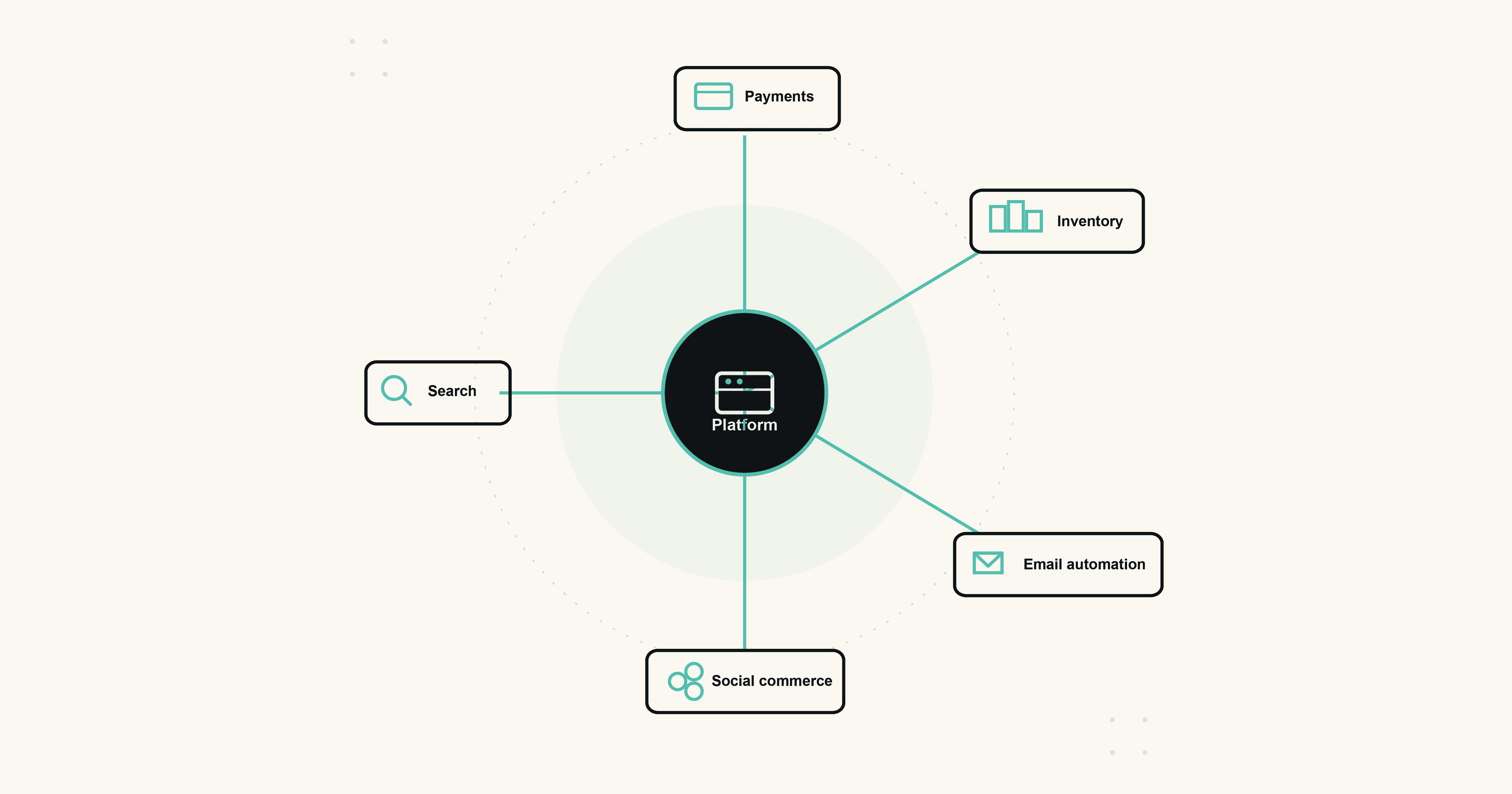
Payment processing is table stakes, but the specifics matter, multiple payment methods, currencies if you sell internationally, and increasingly, buy-now-pay-later options customers now expect as standard rather than a bonus feature.
Inventory and stock management integration, particularly for a store selling across multiple channels, needs to keep stock levels accurate in real time across every channel simultaneously, a manual or poorly synced inventory process is a common, expensive source of overselling and customer frustration.
Email and marketing automation integration, abandoned cart recovery, post-purchase sequences, and personalised recommendations, tends to have some of the clearest, most measurable ROI of any ecommerce integration, since it directly targets customers already close to converting.
Social commerce integration is worth planning for explicitly now rather than retrofitting later, the line between social browsing and purchasing has largely dissolved, and a store's product feed and checkout experience increasingly need to work seamlessly with how customers actually discover products on social platforms, not just on the store's own site.
Search and merchandising matter more than many stores initially budget for, a native platform search that returns poor results, or fails to surface relevant products for a slightly misspelled query, quietly costs conversions the store owner may never directly see. A properly configured search and merchandising layer, whether native to the platform or a dedicated third-party service, pays for itself through improved product discovery, particularly for larger catalogues where browsing alone is not a realistic way for most customers to find what they want.
What It Actually Costs
A standard platform build with moderate customisation, a themed store with the integrations above properly configured, typically runs from the low tens of thousands of pounds, depending on catalogue complexity and how many integrations are genuinely needed.
A headless or composable build costs meaningfully more upfront, reflecting the custom frontend development involved, but the long-term case is lower marginal cost for further customisation once the foundation exists, and freedom from the constraints a theme system imposes. As with any custom build, the number that matters is not the headline figure alone but what is actually included, a quote that excludes integration work, testing, and a defined post-launch support window will look cheaper and cost more once those gaps become visible after launch.
In Practice
Ecommerce is exactly the kind of build where the difference between a generic implementation and properly engineered performance shows up directly in conversion numbers, which is why we treat platform choice, headless architecture, and Core Web Vitals as connected decisions rather than separate technical checkboxes. If you want an honest read on whether your current platform is genuinely holding your store back, or whether the real gains are sitting in performance work you could make on your existing platform first, our web platform development service is a good place to have that conversation directly.
The stores that get ecommerce development right are not the ones chasing the newest architecture trend, they are the ones who match the platform to their actual scale and needs, treat performance as a revenue lever rather than a technical afterthought, and budget honestly for the integrations that make a store genuinely work, not just launch.
FAQ
Questions, Answered.
Read next
More on Web Platforms
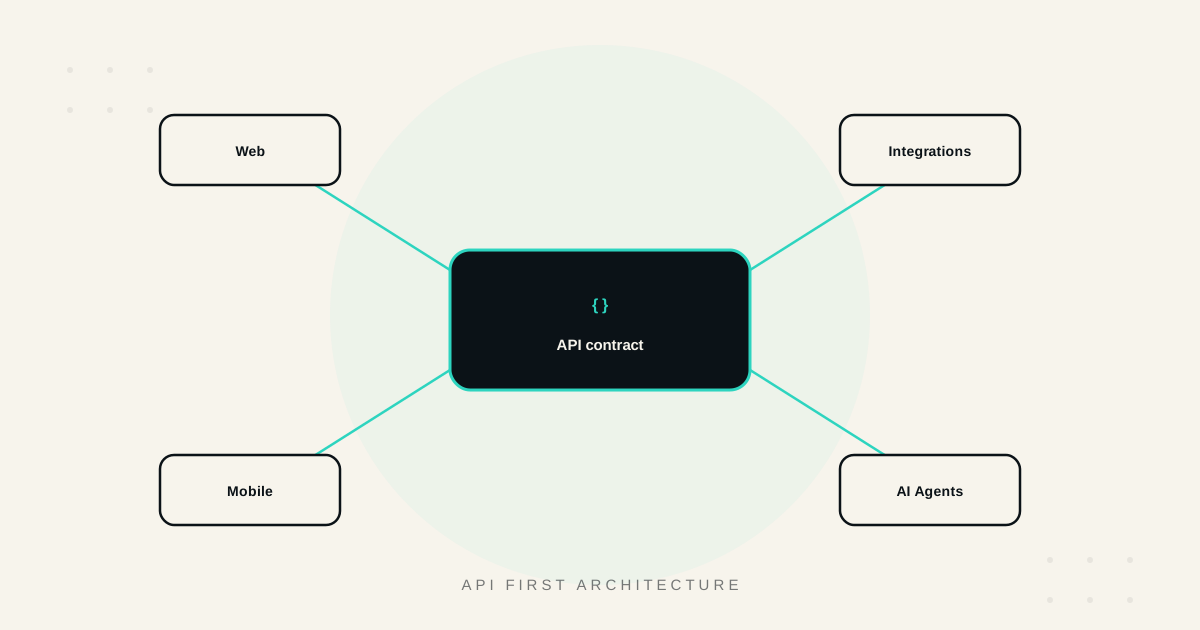
API First Architecture: Building Software That Scales and Integrates
What API-first architecture actually means, the real benefits, how it enables genuine integration and reuse, and when it matters versus when it's unnecessary overhead.
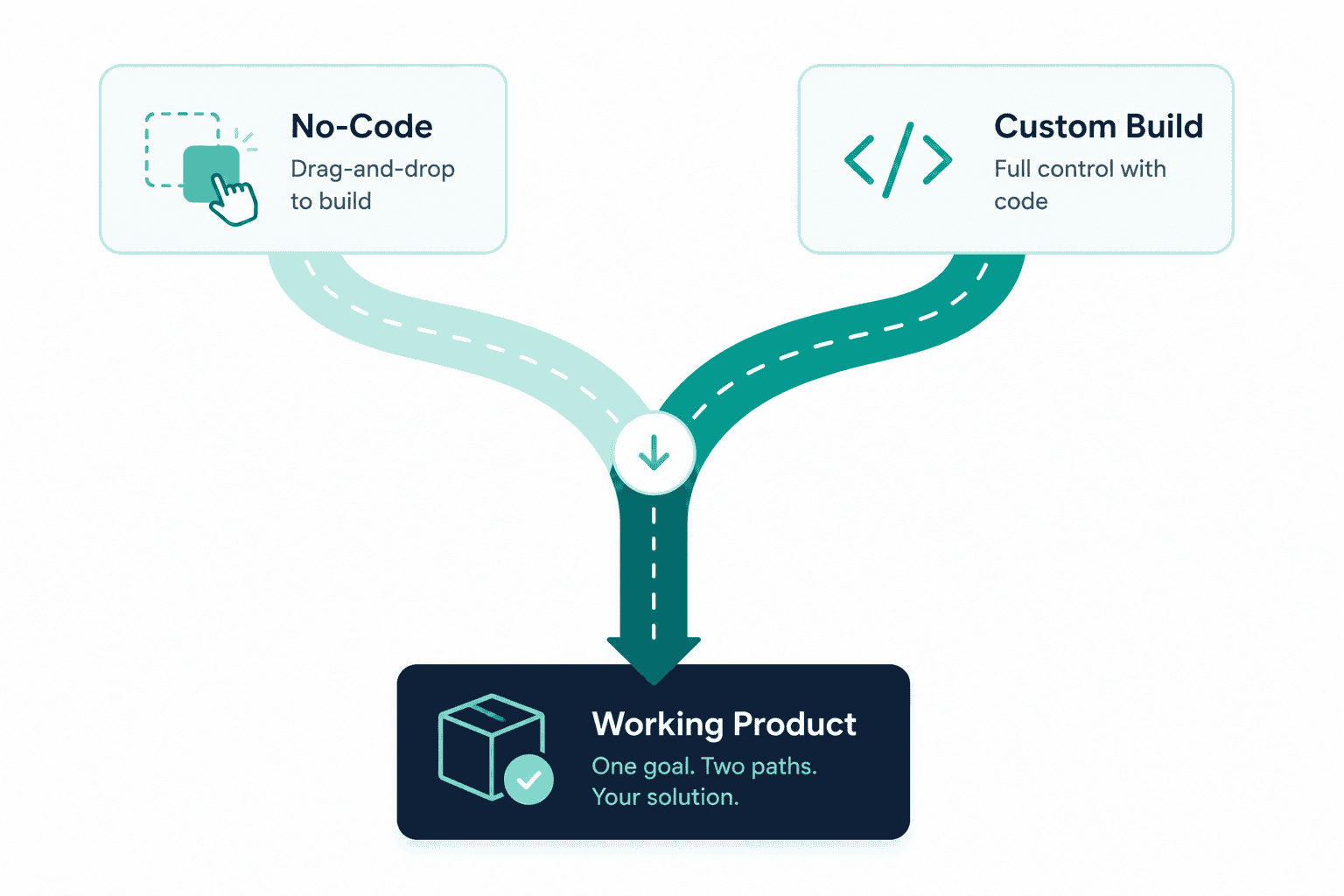
Build vs No Code for Web Apps: Where the Line Really Is
Where no-code web app builders genuinely excel, where they break down, and how to think about performance, ownership, and the migration path before you commit.
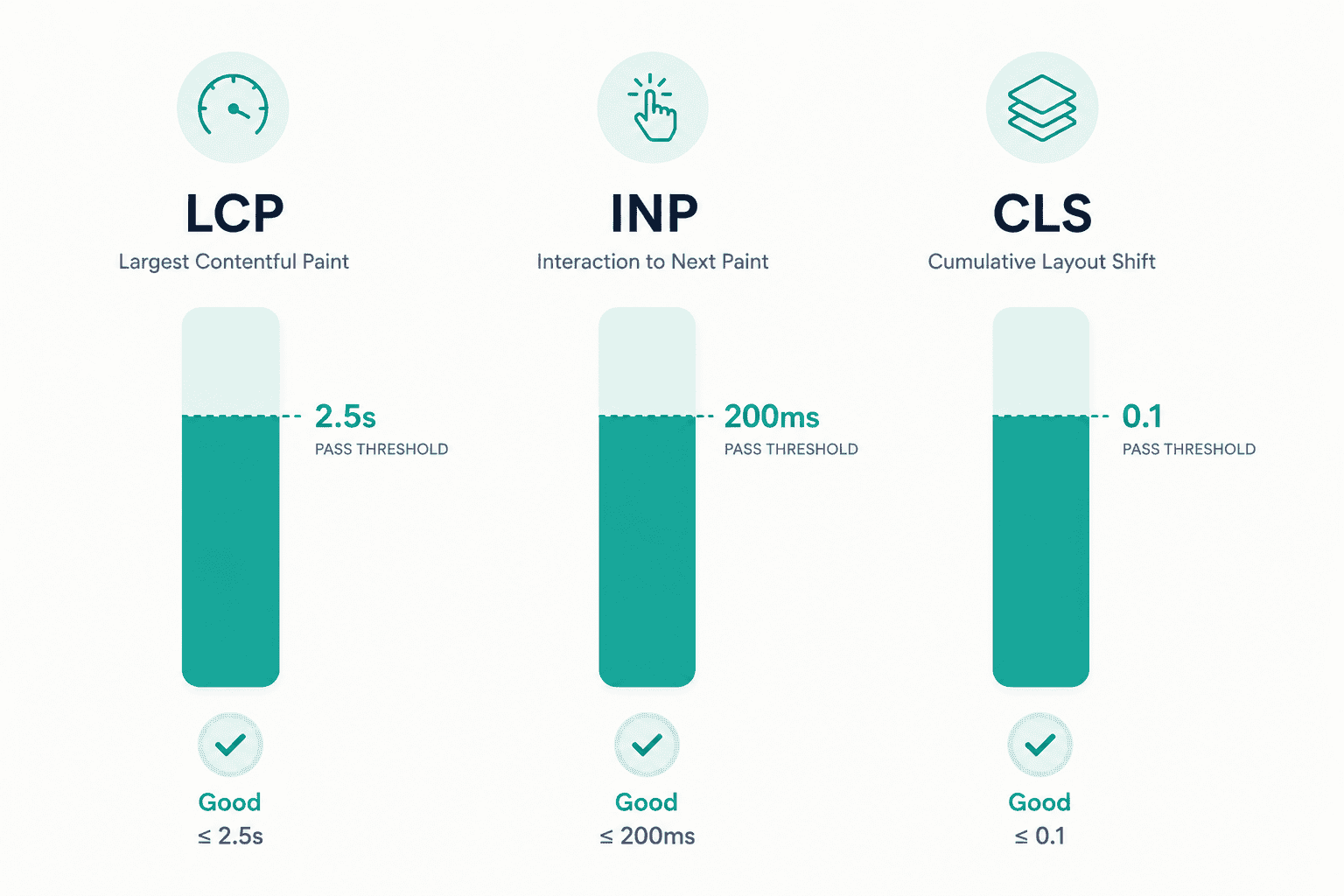
Core Web Vitals: A Practical Guide to a Faster, Higher Ranking Site
What LCP, INP, and CLS actually measure, the fixes that move each metric, how to measure them correctly, and the real business impact of getting them right.