
Resources
How to Build an MVP: A Founder's Step by Step Guide
A grounded, step by step guide to building an MVP, defining the real problem, scoping it right, timeline, cost, and the mistakes that sink most first products.

Ahmad Saeed
Full-Stack Engineer, Devity Technologies
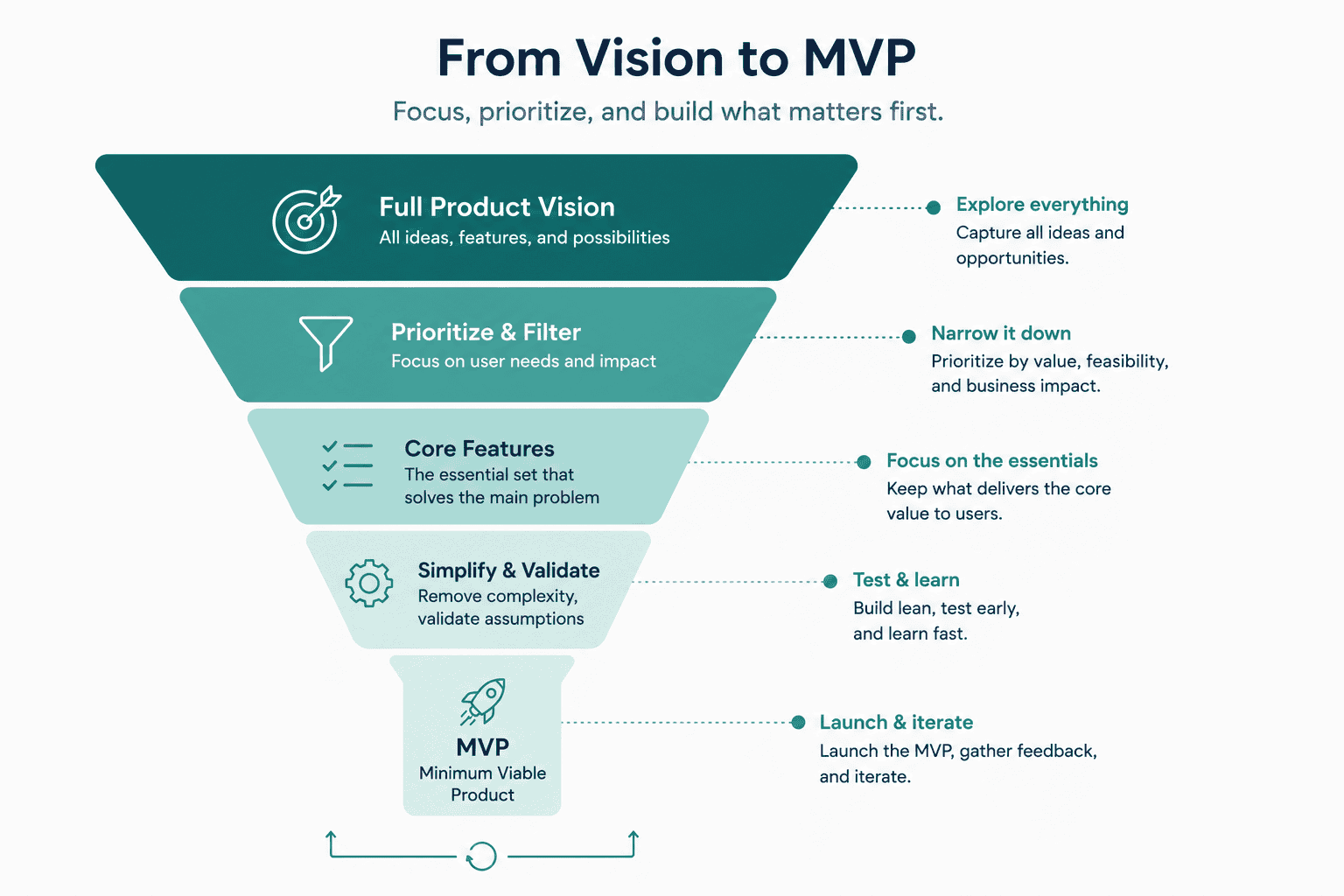
Most MVP guides published in 2026 read like a sales pitch for speed, build it in a weekend, ship in days, let AI handle everything. That framing gets founders into trouble. An MVP is not about how fast you can ship something, it is about how cheaply and honestly you can find out whether anyone actually wants what you are building. This guide covers the real process, defining the problem properly, scoping the MVP so it stays minimal, deciding what you are actually trying to validate, a realistic timeline, real cost, and the mistakes that sink most first products before they get a fair chance.
Define the Problem Before You Define the Product
The single most common reason MVPs fail has nothing to do with engineering, it is that the founder never clearly defined the problem they were solving, or who specifically has it.
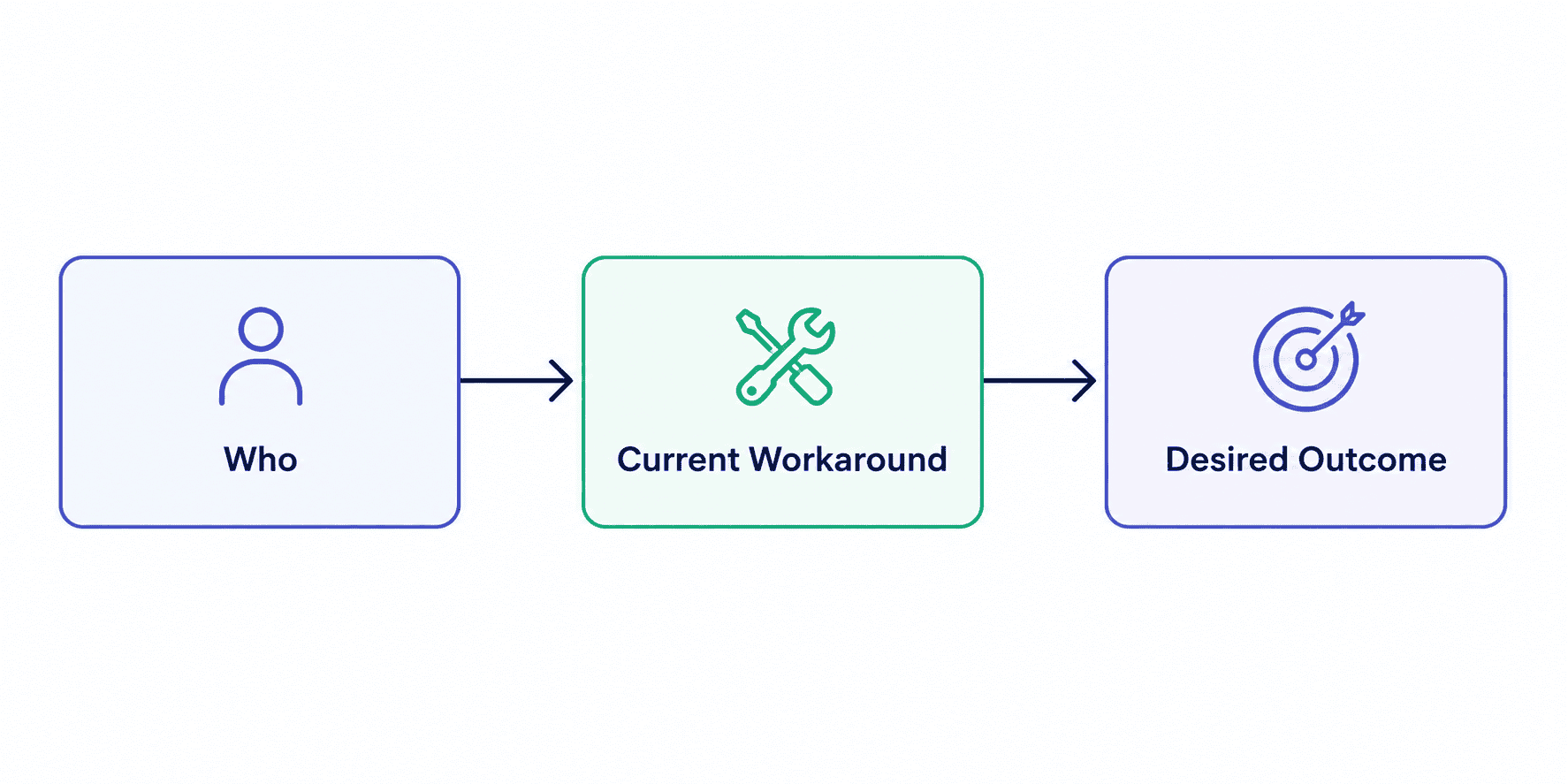
A genuinely useful problem statement answers three things precisely: who experiences this problem, how are they currently dealing with it (even a bad workaround counts), and what would meaningfully change for them if it were solved. "Small businesses struggle with scheduling" is not a problem statement, it is a category. "Independent hairdressers lose roughly two bookings a week to no-shows because their current booking method has no reminder system" is a problem statement you can actually build against.
If you cannot write your problem this specifically, that is not a reason to start building anyway and figure it out later, it is a signal you need more conversations with real potential users before any code gets written. Skipping this step does not save time, it just moves the cost of discovering you were wrong from before the build to after it.
Scope the MVP: What Stays In, What Gets Cut
Once the problem is genuinely clear, scoping is about ruthless subtraction, not addition. The test for every feature under consideration is simple: does removing this feature stop the product from answering the core validation question? If the answer is no, it does not belong in version one.
A practical way to scope: write down every feature you are imagining for the full product vision, then sort them into three lists. Essential covers only what is needed for a real user to experience the core value and for you to observe whether they actually do. Nice to have covers things that improve the experience but are not needed to test the core hypothesis. Full product covers everything that only makes sense once you already know people want this. Build only the essential list. Nothing else, no matter how quick it feels to add "while we're in there."
This is where most founders struggle, since nearly every feature feels essential when you are the one who dreamed up the whole vision. A useful discipline: for each feature on your essential list, ask what specific behaviour or data point it exists to produce. If you cannot name one, it is not essential, it is assumption dressed up as necessity.
A worked example makes this concrete. Imagine the hairdresser no-show problem from earlier. The full product vision might include online booking, automated reminders, a loyalty programme, payment processing, staff scheduling, and a client history dashboard. Sorted honestly: the essential list is just booking plus a reminder, since that is the entire mechanism being tested, does a reminder actually reduce no-shows. Payment processing and loyalty features go on the nice-to-have list, they might improve retention later but say nothing about whether reminders work. Staff scheduling and a full client dashboard go on the full-product list entirely, they solve a different problem for a different stage of the business. A founder who builds all six from day one has spent months and a meaningful budget before learning the one thing that actually mattered, whether a simple reminder changes behaviour at all.
Build vs Validate: Know What You're Actually Testing
Before writing a single line of code, decide explicitly what you are trying to learn, because this determines what "the MVP" actually needs to be.
Validating demand (will anyone actually want this) sometimes does not require a working product at all, a well-run landing page with a genuine call to action, a small paid ad test, or direct conversations with your target users can answer this more cheaply than a build. If you skip straight to building without ever testing basic demand, you risk spending real money finding out what a much cheaper test would have told you.
Validating the solution (does this specific approach actually solve the problem well) is where a real, working MVP becomes necessary, since this question can only be answered by watching real people use something and seeing whether it genuinely changes their behaviour.
Validating willingness to pay is a different question again, and one many founders avoid testing directly because a "no" here is uncomfortable. A product with enthusiastic free users and nobody willing to pay is not validated, it is a hobby with an audience.
Knowing which of these three you are actually testing at each stage keeps you from building more than the current question requires.
Choosing Your First Users Deliberately
Who you show the MVP to first matters almost as much as what you build. A common, expensive mistake is testing with friends, family, or a broad, convenient audience who are not actually the specific person the problem statement describes.
Friendly early users tend to be polite rather than honest, and an audience that does not genuinely have the problem cannot meaningfully validate a solution to it, regardless of how enthusiastic they sound. The founders who get useful signal are the ones who go out of their way to find people who are already, visibly, dealing with the exact problem, even if that means a slower, more effortful search for the first ten to twenty real users, rather than the fast, comfortable path of asking people who already like you.
A genuinely useful early user is one who has tried to solve this problem before, even with a bad workaround, since their frustration with the current state is what makes their reaction to your MVP meaningful. Someone with no prior experience of the problem cannot tell you whether your solution is better than what already exists, because they have no baseline to compare it against.
A Realistic Timeline
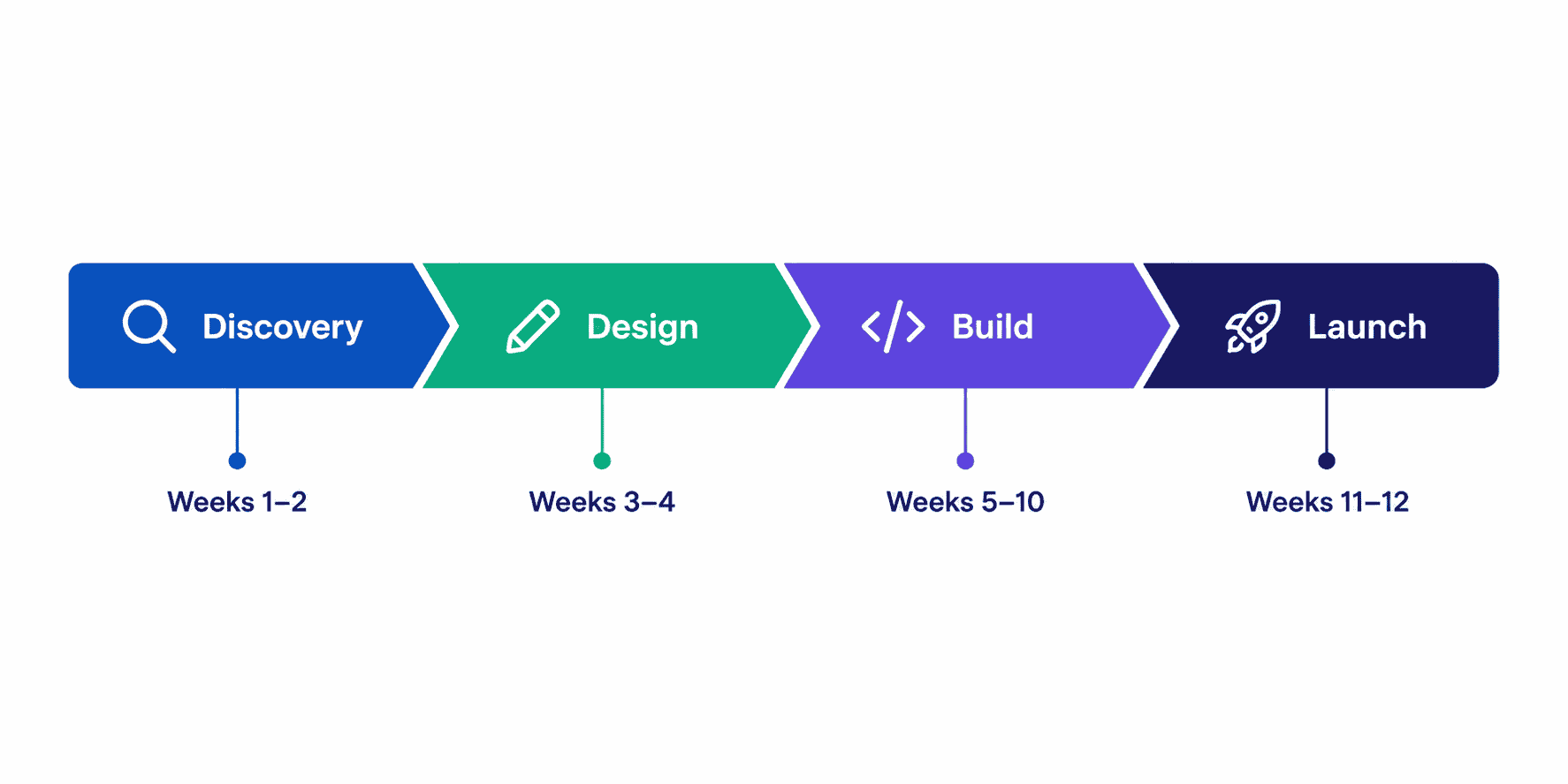
For a properly scoped MVP, four to eight weeks is a realistic range from discovery through to something real users can access. That breaks down roughly as:
- Discovery and scoping (roughly a week): defining the problem precisely, mapping the essential feature list, and settling on what you are actually validating
- Design (one to two weeks): just enough to make the product usable and coherent, not a full brand identity exercise
- Build (two to four weeks): the essential feature list, and genuinely nothing beyond it
- Launch and first observation (ongoing from week one of real usage): getting it in front of real users and watching what actually happens, not what you hoped would happen
Timelines that stretch meaningfully beyond eight weeks are usually a scope problem in disguise, not a complexity problem. If discovery genuinely produced a tight essential feature list, the build itself rarely needs longer than this.
What an MVP Actually Costs
A lean, properly built MVP typically costs between fifteen and forty thousand pounds, depending on how many integrations it genuinely needs and how much design polish the validation actually requires. This range holds whether the MVP is a web platform, a SaaS product, or a mobile app, the underlying driver is the same regardless of platform: integration complexity and design depth, not the raw feature count.
Two cost mistakes are worth naming directly. Underspending on the wrong things, cutting corners on the one feature the whole hypothesis depends on to save money, undermines the entire point of building it. Overspending on polish nobody asked to validate, investing heavily in a fully custom design system or edge-case handling for a product that has not yet proven anyone wants it, spends money answering a question you have not earned the right to ask yet.
Whether to build it yourself or hire it out is worth deciding honestly rather than defaulting to whichever feels cheaper on paper. A technical founder who can genuinely ship a production-ready version themselves should, since that path has effectively no marginal cost beyond time. A non-technical founder attempting to learn enough to build it themselves is not actually choosing the cheap option, they are trading money for a much larger amount of time, and often ending up with something less reliable than a properly built version would have been, which then needs rebuilding anyway once real users hit its limits.
Common Mistakes That Sink MVPs
Building in isolation for months before showing anyone. The value of an MVP comes from real feedback, not from the moment of launch. Founders who wait until everything feels perfect before showing a single real user have usually already made expensive decisions they could have corrected weeks earlier for free.
Treating the MVP as a smaller version of the full product, rather than a different kind of thing entirely. An MVP exists to answer a specific question. A miniature full product tries to be everything at once, badly, and answers nothing clearly.
Ignoring negative or lukewarm signals because they're inconvenient. A founder emotionally invested in their own idea can talk themselves into reading indifference as encouragement. The MVPs that lead somewhere real are the ones where founders took unflattering feedback seriously instead of explaining it away.
Skipping the "who specifically" question and building for everyone. A product built for a vague, broad audience is much harder to validate than one built for a narrow, specific group who feel the problem acutely. Narrow first, expand once you have real proof.
Confusing a lack of complaints with validation. Users who quietly stop using your product rarely tell you why. The absence of complaints is not the presence of enthusiasm, actual usage data and direct conversations are what validation is built from, not silence.
Pivoting too early, or not at all. Some founders abandon a genuinely promising idea after one lukewarm week, mistaking normal early friction for failure. Others cling to a clearly failing direction for months because pivoting feels like admitting defeat. Both mistakes come from the same root cause, not having defined upfront what result would actually count as validation, so there is no honest signal to measure against when the data comes in either direction.
In Practice
This same discipline, scoping tightly around a real validation question rather than a full product vision, is exactly how we approach every early-stage engagement, and it is the reason our own MVP timelines and typical pricing land in the ranges described here. If you have an idea and want an honest read on how to scope it before committing budget, our web platform development service is a good place to start that conversation, whether the eventual build ends up being a web platform, a SaaS product, or something else entirely.
The founders who get the most out of an MVP are not the ones who build fastest or cheapest, they are the ones who stay honest about what question they are actually trying to answer, and have the discipline to build nothing beyond what answering it requires.
FAQ
Questions, Answered.
Read next
More on MVP & Startup
Choosing the Right Development Partner for Your Startup
What early-stage founders should actually look for in a development partner, technical and product fit, communication, equity versus cash, and the red flags specific to startup engagements.
From Idea to Launch: A Realistic Product Timeline
A genuinely realistic MVP timeline, discovery, design, build, test, and launch, with real durations for each stage and what actually speeds it up or slows it down.
How Startups Should Think About Technical Debt Early
Good technical debt versus bad, building an MVP that can actually change, when refactoring is genuinely worth it, and the real cost of ignoring debt at the earliest stage.